Choosing the right site equipment can make a major difference to the safety, efficiency, and overall success of a project. Whether you are managing a construction site, overseeing a warehouse fit-out, handling a commercial refurbishment, or completing smaller contractor work, the equipment used on-site plays a direct role in productivity and day-to-day operations. Poor-quality or unsuitable equipment often leads to delays, safety risks, damaged materials, and unnecessary replacement costs.
A practical starting point is identifying the type of work being completed, the size of the site, and the level of daily usage expected. Equipment should support both safety and efficiency without slowing down operations. Buyers also need to think about storage, transport, durability, and compliance with site regulations before ordering.
For businesses comparing reliable options, the range of site products available at {siteNamelink} can help support different project requirements across commercial, industrial, and construction environments.
Essential Site Equipment Categories to Consider
Selecting the right site equipment becomes much easier when buyers understand the main categories used across commercial and construction projects. Different environments require different tools, safety products, and handling solutions, so choosing equipment that matches the workload and site conditions is essential for smooth daily operations.
i) Access, Movement, and Handling
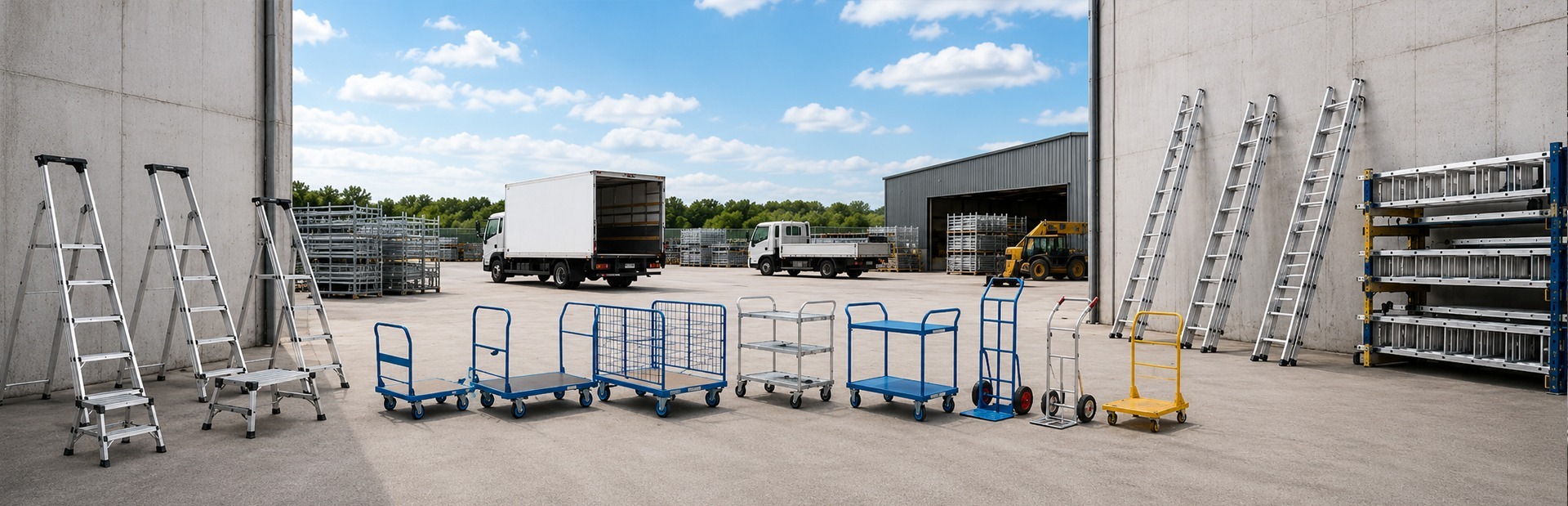
Efficient movement around a site improves both productivity and safety. Access equipment, such as steps, ladders, and work platforms, helps workers complete tasks safely at height while reducing unnecessary risk. For projects involving regular transportation of materials, heavy-duty handling products can save time and reduce strain on workers throughout the day. Equipment such as platform trucks, sack trolleys, and storage solutions is commonly used across warehouses, refurbishment projects, and building sites where materials need to be moved regularly.
For practical transport and lifting solutions, buyers can browse the range of Trucks & Trolleys and Ladders & Stools available through krucx.co.uk to compare options suitable for different site environments.
ii) Protection, Spill Control, and Safety
Safety products are equally important on busy worksites where spills, vehicle movement, and temporary work areas create potential hazards. Spill control products help contain liquids quickly, while barriers, tapes, and safety markings improve visibility and guide safe movement around restricted areas.
Floor protection is another important consideration during refurbishment and commercial fit-out projects where existing surfaces need protection from damage, dust, or heavy foot traffic. Temporary coverings and protective matting can help reduce repair costs and maintain cleaner working conditions throughout the project.
Looking for practical and reliable equipment for everyday tasks? Check out our Telescopic Loft Ladder, all designed to make access, lifting, and working at height safer and easier.
Key Buying Factors for Site Equipment
Choosing site equipment involves more than simply selecting products that fit the budget. Buyers should focus on suitability, durability, and day-to-day practicality to avoid delays, safety issues, or unnecessary replacement costs later in the project. The right equipment should support the working environment while helping teams operate safely and efficiently.
i) Site Conditions
The working environment often determines the type of equipment required. Outdoor construction projects usually demand heavy-duty products capable of handling changing weather, uneven ground, and constant daily use. Indoor refurbishment projects may require compact equipment designed for tighter spaces and surface protection.
Projects involving public access or vehicle movement may also need additional traffic management products, barriers, or safety markings to reduce risks on-site. In busy working areas, clear visibility and organised movement routes can improve both productivity and site safety.
ii) Strength, Storage, and Daily Use
Equipment should always match the workload expected on-site. Overloading storage units, trolleys, or access equipment can reduce product lifespan and create avoidable safety hazards. Buyers should check weight capacities, material quality, and frequency of use before ordering.
Site Equipment Planning and Maintenance Tips
Good planning and a bit of regular care can make the site work a lot smoother. Before a project starts, it’s worth taking time to think through what equipment will actually be needed day-to-day and making sure everything is ready, safe, and working properly.
When tools and equipment are looked after well, they don’t just perform better; they also help avoid unexpected breakdowns, delays, and last-minute replacements on site. Simple habits like routine checks, basic cleaning, and proper storage can go a long way in extending the life of equipment and keeping everything running consistently throughout the project.
Need dependable tools and equipment for your site? Take a look at our range of quality Site Equipment and find the right fit for your project.
Matching Equipment to Project Types
Different projects create different equipment demands, which is why buyers should avoid using a one-size-fits-all approach when selecting site products. Equipment that works well for a warehouse environment may not be suitable for a busy construction site or refurbishment project. Matching products to the working environment helps improve efficiency, organisation, and overall site safety.
Construction and Refurbishment Work
Construction projects often require durable equipment capable of handling rough site conditions, regular movement, and heavy daily use. Access products, barriers, traffic management solutions, and material handling equipment are commonly used to support safer and more organised operations.
Refurbishment work usually creates different challenges. Protecting existing floors, reducing dust spread, and maintaining safe access routes become more important in occupied buildings or commercial spaces. Temporary coverings, protective matting, and spill control solutions can help reduce damage and improve site cleanliness throughout the project.
Warehouses, Facilities and Commercial Sites
Warehouse and facilities management projects often prioritise efficiency, storage, and safe movement of goods. Handling equipment such as platform trucks and trolleys can improve workflow while reducing manual lifting risks for staff working across larger sites.
Commercial environments may also require clear hazard markings, anti-slip flooring solutions, and temporary barriers to manage maintenance work safely without disrupting daily operations. Choosing reliable products designed for repeated use can reduce long-term replacement costs and improve operational consistency.
Frequently Asked Questions
Q: Which site equipment is most important for a project?
A. The most important equipment depends on the type of project being completed. Most sites require safe access equipment, handling products, safety barriers, spill control solutions, and protective materials to support daily operations.
Q: Is heavy-duty site equipment worth buying?
A. Heavy-duty equipment is usually more reliable for commercial and construction environments where products are used regularly. Durable equipment often lasts longer and reduces replacement costs over time.
Q: Should site equipment be chosen by project type?
A. Yes. Construction sites, warehouses, refurbishments, and commercial facilities all have different safety, movement, and storage requirements. Choosing equipment based on the project environment helps improve efficiency and site safety.
Conclusion
Buying site equipment should not focus only on immediate project costs. Long-term value is equally important, especially for businesses managing multiple projects throughout the year. Investing in durable and reliable equipment can reduce replacement costs, minimise downtime, and improve overall efficiency across different working environments.
Cheaper products may appear cost-effective at first, but they often wear out faster under heavy daily use. Replacing damaged equipment repeatedly can increase operational costs over time and create avoidable delays on-site. High-quality products designed for commercial and industrial use are usually better suited for demanding environments where strength, reliability, and safety matter most.