Email Us: sales@krucx.co.uk
All prices include VAT.
Standard Shipping: 3-5 Business Days
Express Shipping: 1-2 Business Days
Ships within the United Kingdom only. See details →
30 Days Returns Policy.
Refunds in 2 working days. See details →

All payments are processed securely in GBP (£), inclusive of VAT.
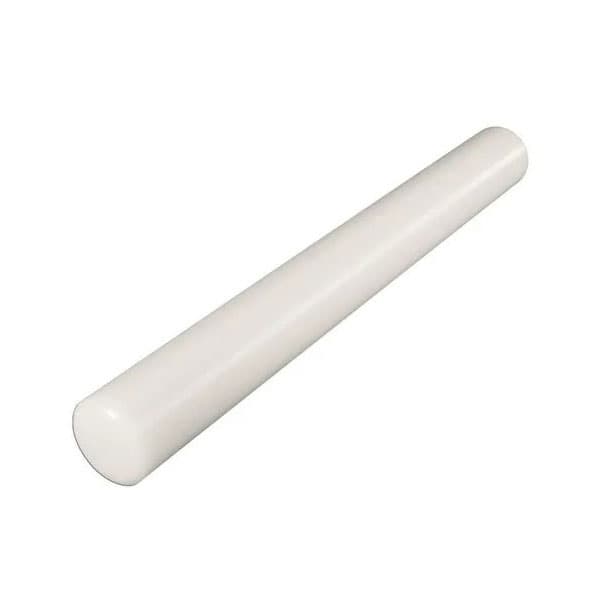
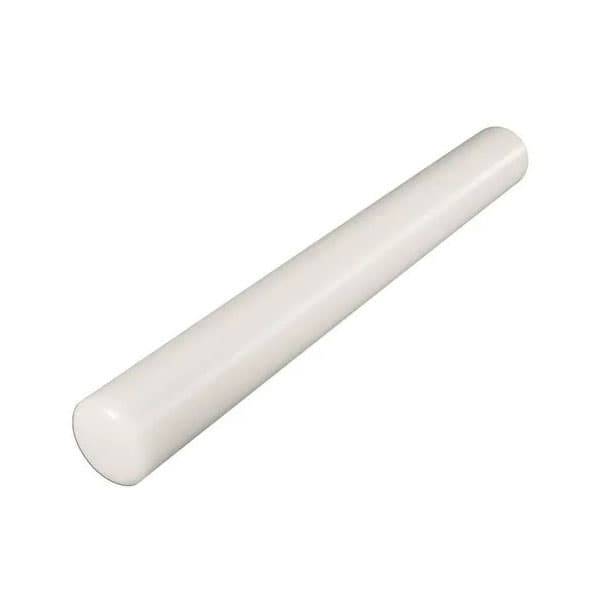
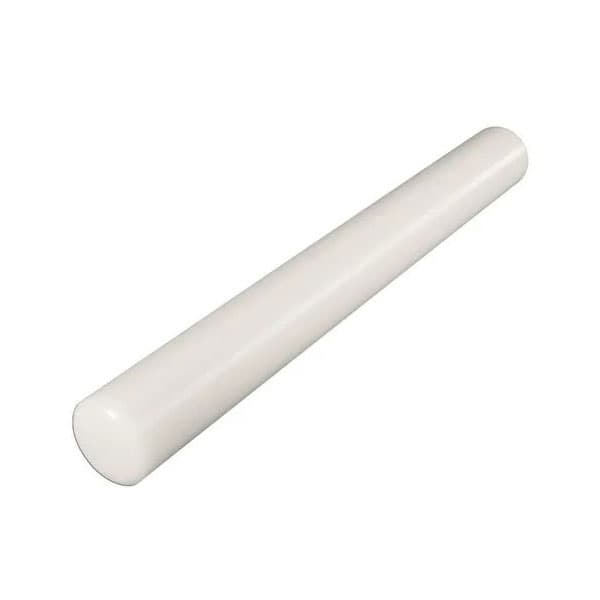
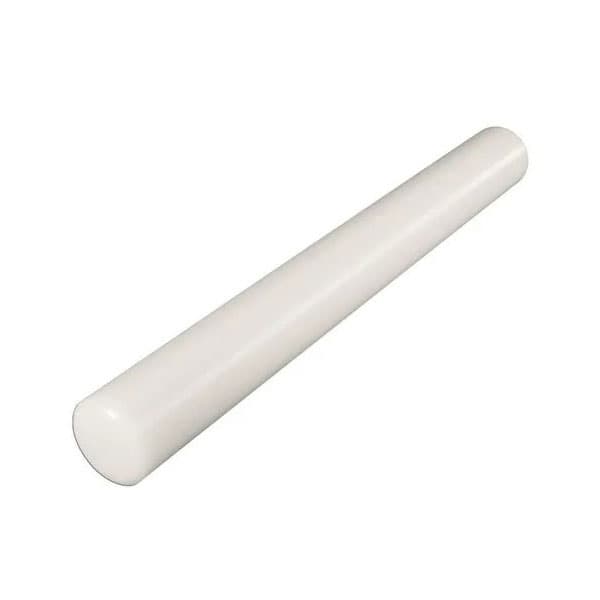
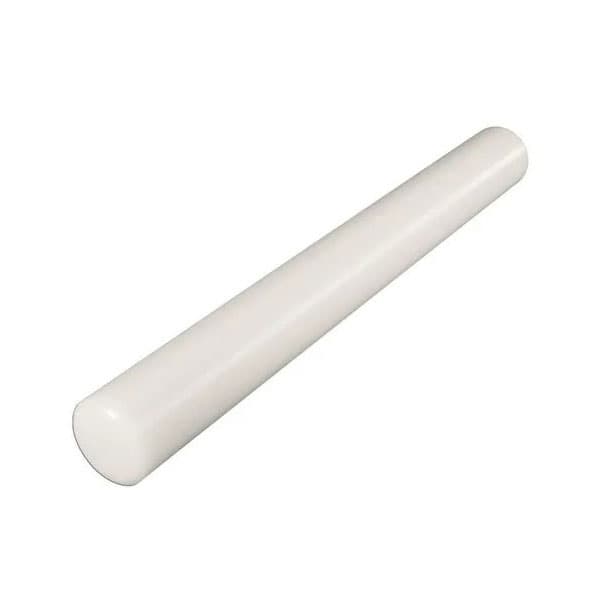
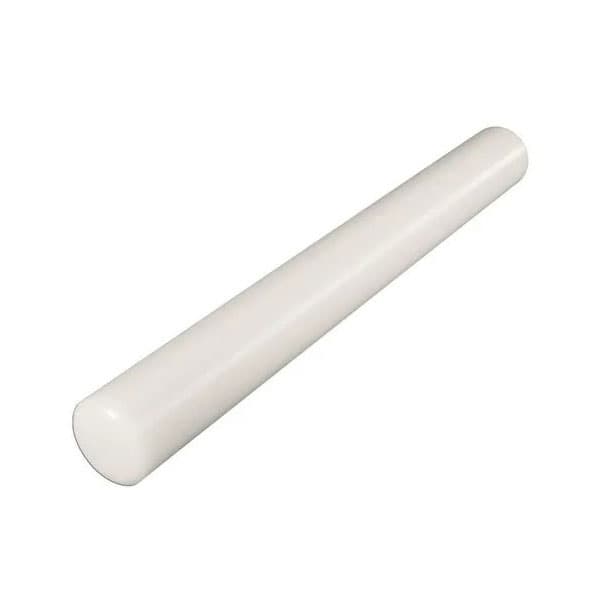
Polypropylene rod is one of the lightest engineering plastics, with a density of just 0.91, and it shrugs off a wide range of acids, alkalis and solvents. At Krucx we supply this 15mm natural pp rod in homopolymer grade, which offers higher stiffness and a better working temperature than copolymer. It is a practical stock size for pins, spacers, small plugs and fabrication work on tanks, trays and ducting in labs and plant rooms.
Homopolymer polypropylene works from 0°C to +100°C, absorbs very little water and welds well, so fabricators often use it alongside PP sheet for tanks, trays and water treatment parts. The natural colour is clean and neutral, and it will not stain or taint liquids. It cuts and drills easily with standard tools, making it handy for quick workshop jobs. For a slightly larger section, our 25mm natural polypropylene plastic rod suits bigger bushes and spacers.
Fabricating tanks, trays and ducting is much quicker when matching PP stock is close to hand on the bench. Choose your length and order online at Krucx. If you need advice on chemical resistance, bonding or welding, email sales@krucx.co.uk and our team will help. For a smaller engineering plastic rod, our 10mm natural polypropylene plastic rod is useful for pins, dowels and other fine parts. Every bar arrives ready to cut to the lengths you need in your own workshop.
A: It is a grade of PP with higher stiffness and a better working temperature than copolymer, while keeping excellent chemical resistance.
A: Yes. It welds well with a hot air or extrusion welder, which is why it is so popular for tank and tray fabrication.
A: Yes. With a density of 0.91 it floats, as it is lighter than water, and one of the lightest engineering plastics available.